Navigating Real Estate in New Hope: A Local’s Perspective
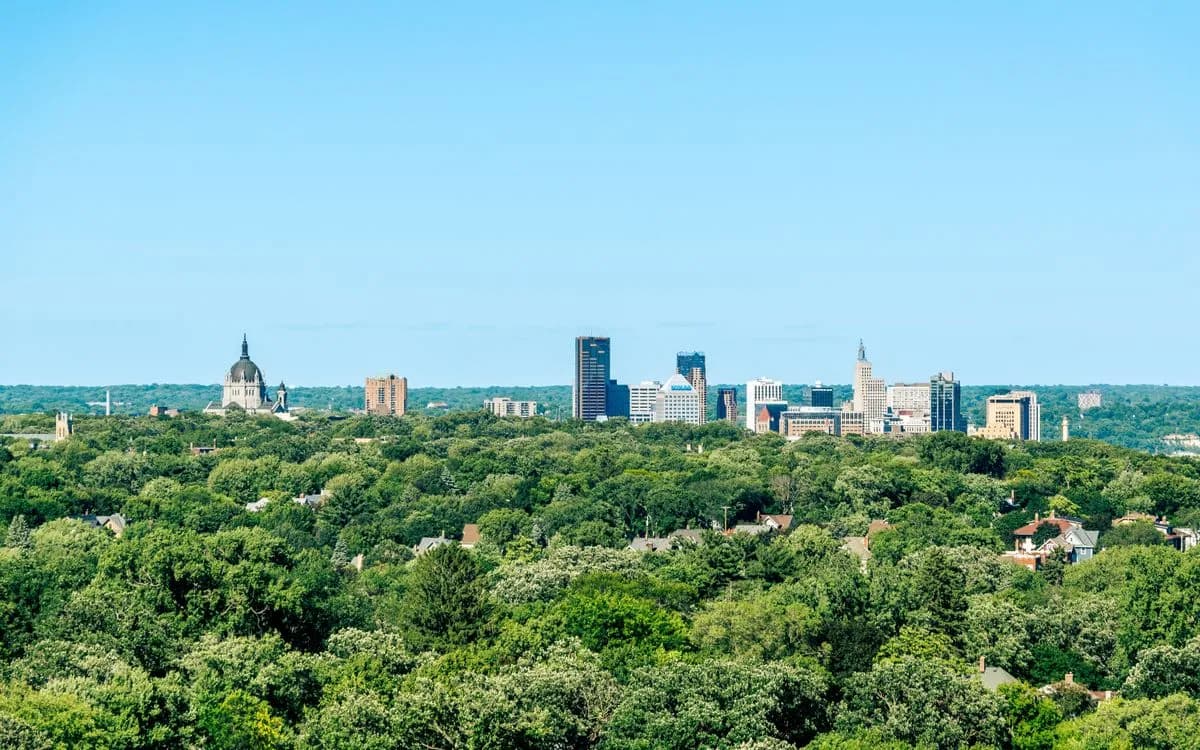
Living in New Hope for years gives you a different lens on the real estate market than what you’ll read on listing sites. This is a community with its own rhythm — quietly stable, deeply rooted, and meaningfully different from the flashier corners of the metro. Here’s what a local actually sees when they walk through New Hope’s neighborhoods, and what buyers and sellers should keep in mind.
1. New Hope: A Snapshot
A. Location and Access. Tucked into the northwest suburbs, New Hope sits at the intersection of easy highway access (169 and 494 are minutes away) and surprising quiet. Downtown Minneapolis is a 20-minute drive in normal traffic; the airport is roughly 30 minutes via 100 South. The location is less recognized than Maple Grove or Plymouth, but the commute math often works out better.
B. Community and Culture.Long-tenured residents are the norm here. Many homeowners have been on their blocks for 20-plus years, and the community events — Pride of New Hope Days each August, the farmers’ market, the holiday tree lighting — actually draw the neighbors. It’s a place where introductions still happen across hedges and driveways.
C. Schools and Amenities.New Hope sits within the Robbinsdale Area Schools district (281), with elementary boundaries that can meaningfully affect home values. The city’s amenity set is solid: a well-maintained ice arena, public golf course, multiple parks, and library access through the Hennepin County system.
2. The Property Landscape: What to Expect
A. Housing Stock. Predominantly 1950s through 1970s ramblers, split-levels, and modest two-stories. Brick or brick-and-siding exteriors are common; full basements (often with rec-room finishing from the original build) are nearly universal. The architectural quality varies, but the structural quality of the era is generally good.
B. Lot Sizes and Layouts. Suburban-standard lots, mostly under a quarter-acre, with the mature trees that come with neighborhoods established 60+ years ago. Most homes have detached or attached one- to two-car garages. Backyards tend to feel larger than they actually are because of established landscaping.
C. New Construction and Renovation.Genuinely new construction is rare in New Hope — there isn’t much undeveloped land left. What you’ll see instead is significant renovation activity: kitchen and bathroom updates, basement refinishes, additions where lots allow. Homes that’ve been thoughtfully updated within the last 10 years tend to be the most-listed and the fastest to sell.
3. Key Factors Affecting Property Prices
A. School District Boundaries. Within Robbinsdale 281, elementary boundaries (Meadow Lake, Sonnesyn, Robbinsdale Spanish Immersion, and others) can swing prices by tens of thousands between otherwise-similar homes. Verify the boundary for any specific address before falling in love.
B. Proximity to Lakes and Parks.Homes near Northwood Lake, Liberty Park, and Hidden Valley Park command meaningful premiums. The walkability and recreation value are real, and buyers pay for it. The same home a few blocks away may sell for $30,000–$50,000 less.
C. Renovation Status.The spread between an updated 1965 rambler and a never-touched-since-original one is wide — easily $50,000–$100,000 on similar floor plans. For sellers, this is the single biggest discretionary variable in pricing. For buyers, untouched homes can be a value play if you’re willing to renovate.
4. Tips for Buyers
A. Inspection Priorities.On homes 50+ years old, the inspection-priority list is different from new construction. Focus on the big-ticket items: roof age and condition, electrical service (look for 200-amp upgrades), plumbing (cast-iron mainlines are common and can be major replacements), HVAC age, and any signs of foundation settling. Cosmetic items are easy to address later. Mechanical surprises aren’t.
B. Neighborhood Scouting.Drive any prospective neighborhood at three different times: weekday morning rush (gauge traffic), school dropoff (kids, parents, social activity), and weekend evening (the quiet test). A neighborhood that’s peaceful Sunday afternoon may be very different at 7:45 AM Monday. Better to know now.
5. Advice for Sellers
A. Pricing Strategy.Lean on an agent who genuinely works New Hope — not someone who covers the metro broadly. Block-level pricing matters here. The right agent will know which buyer pool to market to (first-time buyers, downsizers, investors) and will price accordingly. The wrong one will use a Hennepin County average and miss by a wide margin.
B. Pre-List Improvements.Don’t gut-renovate before selling. Focus on the visible wins: paint, curb appeal, fresh landscaping, deep cleaning, and addressing any obvious deferred maintenance. Mechanical updates (newer furnace, water heater, electrical panel) recover their cost more reliably than cosmetic gut-jobs in this market.
6. Engage with the Community
What truly makes New Hope work isn’t the housing stock or the school district — it’s the residents. Plug into the community early: Pride of New Hope Days each August, the New Hope Lions, senior-center programs, the parks-and-recreation seasonal classes, and the neighborhood Facebook groups. Newcomers who engage become locals quickly. Newcomers who don’t tend to leave within five years. The community is the asset.
Conclusion
Real estate in New Hope rewards the patient and the locally-informed. Whether you’re buying into the area for its quiet stability or selling a long-held home before moving on to a next chapter, knowing the neighborhood at a street level — not just a Zillow level — makes the difference. If you’re considering a sale and want a fast, no-obligation cash offer on a New Hope home, regardless of its renovation status or age, Twin Cities Home Buyers makes the process simple. Fill out the form on this page and we’ll be in touch within 24 hours.